Aging brings wisdom, experience, and often, physical changes that can make traditional exercise feel intimidating or even impossible. Joint stiffness, reduced balance, chronic pain, or the aftermath of surgery can leave many older adults feeling like fitness is no longer within reach. This is where chair yoga steps in—a gentle, accessible, and remarkably effective practice that is transforming the way seniors experience movement, flexibility, and overall wellbeing.
Chair yoga is exactly what it sounds like: a modified form of yoga that can be practiced while seated in a chair or using a chair for support during standing poses. It strips away the intimidation factor of traditional yoga mats, floor poses, and complex transitions, replacing them with a stable, supportive practice that meets seniors exactly where they are. Whether someone has never done yoga in their life or is a former practitioner adapting to new physical limitations, chair yoga offers a welcoming entry point into the world of mindful movement.
What Exactly Is Chair Yoga?
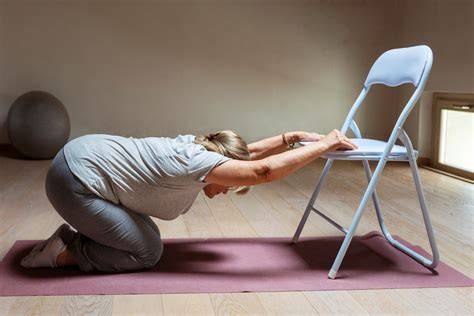
Chair yoga adapts traditional yoga postures, breathing exercises, and meditation techniques so they can be performed while sitting in a sturdy chair or while standing and holding onto the chair for balance and support. Unlike conventional yoga, which often requires getting up and down from the floor, chair yoga eliminates this barrier entirely, making it ideal for people with limited mobility, arthritis, osteoporosis, balance issues, or those recovering from injury or surgery.
The practice typically includes gentle stretches, seated twists, arm and leg movements, breathing exercises (pranayama), and short meditative moments. Sessions can range from ten minutes to a full hour, and instructors often modify the pace and intensity to suit the group or individual needs. Because it requires no special equipment beyond a stable chair, chair yoga can be practiced almost anywhere—at home, in community centers, in assisted living facilities, or even in hospital settings.
Why Chair Yoga Is Especially Suited for Seniors
As the body ages, several natural changes occur: muscles lose mass and strength, joints become stiffer, bone density can decrease, and balance and coordination often decline. These changes increase the risk of falls, which are one of the leading causes of injury among older adults. Chair yoga directly addresses many of these age-related challenges in a low-impact, low-risk way.
Unlike high-intensity workouts that can strain aging joints or cardiovascular systems, chair yoga moves at a pace that respects the body’s limits while still providing meaningful benefits. It builds strength gradually, improves flexibility without overstretching, and enhances balance and body awareness—all while seated safely or supported by a chair. This makes it one of the safest exercise options available for seniors, including those with chronic conditions like arthritis, osteoporosis, Parkinson’s disease, or cardiovascular issues.
The Physical Benefits of Chair Yoga
Improved Flexibility and Joint Mobility
One of the most immediate benefits seniors notice is increased flexibility. Gentle stretching in chair yoga helps lubricate joints, reduce stiffness, and improve the range of motion in the shoulders, hips, neck, and spine. This can make everyday tasks—reaching for items on a shelf, turning to look behind while driving, or bending to tie shoes—noticeably easier.
Enhanced Strength
Many chair yoga sequences incorporate isometric holds and gentle resistance movements that build muscular strength without the need for weights or floor exercises. Stronger muscles support the joints better, reduce pain, and make daily activities like standing up from a chair or climbing stairs less strenuous.
Better Balance and Fall Prevention
Falls are a serious concern for older adults, often leading to fractures, hospitalization, and loss of independence. Chair yoga incorporates exercises that specifically target core strength and proprioception (the body’s sense of its position in space), both of which are crucial for maintaining balance. Even seated exercises that shift weight, engage the core, or involve controlled leg movements contribute to better stability when standing and walking.
Improved Circulation
Sitting for long periods, which is common among many seniors, can lead to poor circulation, swelling in the legs, and increased risk of blood clots. The gentle movements in chair yoga—especially those involving the legs, ankles, and feet—help stimulate blood flow throughout the body, reducing stiffness and promoting cardiovascular health.
Pain Management
Chronic pain, particularly from arthritis or lower back issues, is common among older adults. Chair yoga’s gentle stretching and strengthening can alleviate pressure on joints, improve posture, and release tension in commonly affected areas like the lower back, neck, and shoulders. Many practitioners report a noticeable reduction in pain levels after consistent practice.
Better Posture
As we age, posture often deteriorates due to weakened back and core muscles, leading to a hunched or rounded appearance. Chair yoga emphasizes spinal alignment and core engagement, helping to counteract this tendency and promote a more upright, confident posture.
The Mental and Emotional Benefits
Physical health is only part of the picture. Chair yoga offers profound benefits for mental and emotional wellbeing, which are equally important in the senior years.
Stress Reduction and Relaxation
The breathing techniques central to yoga practice activate the parasympathetic nervous system, which is responsible for the body’s “rest and digest” response. This helps lower cortisol levels, reduce anxiety, and promote a sense of calm. For seniors dealing with the stress of health concerns, loss of loved ones, or life transitions, this can be an invaluable tool for emotional regulation.
Improved Sleep Quality
Many seniors struggle with sleep disturbances due to pain, anxiety, or changes in circadian rhythms. The relaxation and stress-reduction benefits of chair yoga often translate into better sleep quality, helping practitioners fall asleep faster and enjoy more restful nights.
Cognitive Benefits
Yoga’s emphasis on mindfulness and present-moment awareness can help sharpen focus and concentration. Some research suggests that regular yoga practice may support cognitive function and potentially slow age-related cognitive decline, though more studies are needed to fully understand this connection. The combination of physical movement, breath awareness, and mental focus required in yoga provides a holistic form of brain engagement.
Reduced Symptoms of Depression and Anxiety
Isolation, loss of independence, and health challenges can contribute to depression and anxiety in older adults. The mind-body connection fostered through chair yoga, combined with the sense of accomplishment from completing a practice, can boost mood and provide a healthy coping mechanism for difficult emotions.
Social Connection
When practiced in group settings—whether at a senior center, community class, or assisted living facility—chair yoga provides an opportunity for social interaction. This social component combats loneliness and isolation, which are significant risk factors for both physical and mental health decline in older adults.
Getting Started: What Seniors Need to Know
Choosing the Right Chair
Not just any chair will do. The ideal chair for chair yoga is sturdy, has no wheels, and doesn’t have armrests that would restrict movement (though some poses do use armrests for support). A solid dining chair or a firm office chair without wheels typically works best. The chair should allow the feet to rest flat on the floor with the knees bent at roughly a 90-degree angle.
Wearing Comfortable Clothing
Loose, comfortable clothing that allows for a full range of motion is recommended. Seniors should avoid restrictive waistbands or tight sleeves that might limit stretching and movement.
Starting Slowly
Beginners should start with shorter sessions—perhaps ten to fifteen minutes—and gradually increase the duration as strength and confidence build. It’s important to listen to the body and never push into pain. Discomfort during a stretch is normal, but sharp or intense pain is a signal to stop or modify the pose.
Consulting a Healthcare Provider
Before beginning any new exercise program, including chair yoga, seniors should consult their doctor, especially if they have specific health conditions like severe osteoporosis, recent surgery, cardiovascular disease, or acute injuries. A healthcare provider can offer guidance on any movements to avoid or modify.
Finding Qualified Instruction
Many communities offer chair yoga classes specifically designed for seniors, often through senior centers, community colleges, physical therapy clinics, or online platforms. Look for instructors who have specific training in senior fitness or chair yoga certification, as they will understand how to modify poses appropriately and recognize signs of overexertion.
Sample Chair Yoga Sequence for Beginners
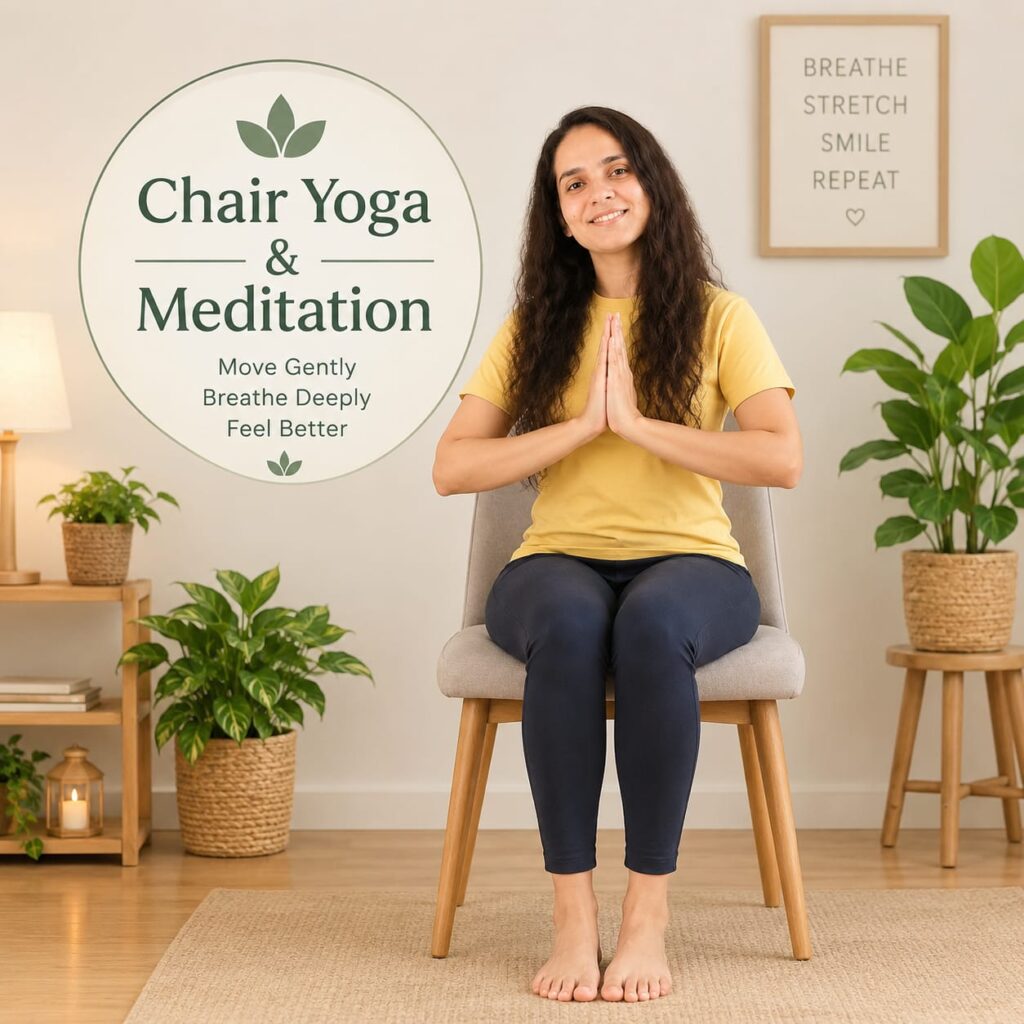
For those curious about what a typical practice might look like, here is a simple sequence that can be done in about fifteen minutes:
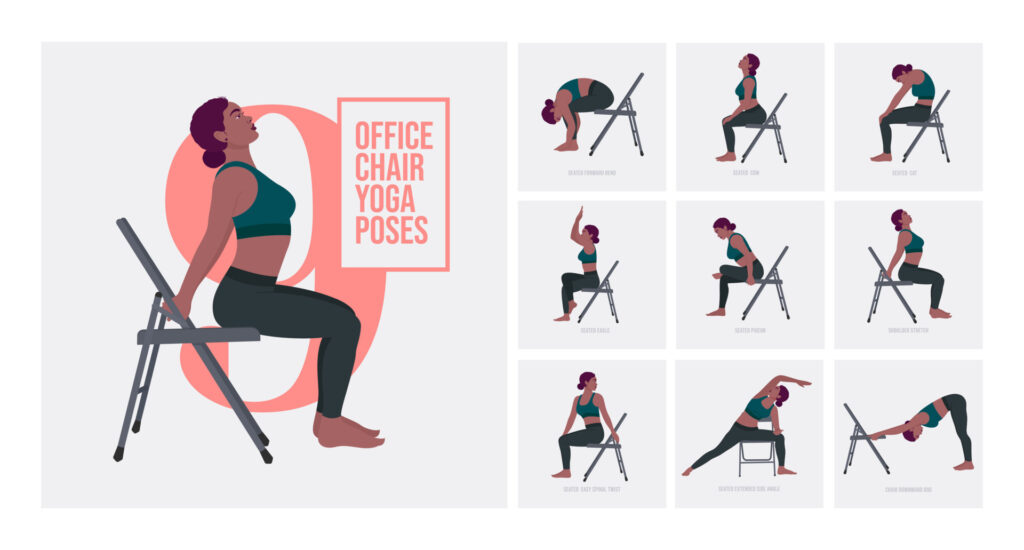
1. Seated Mountain Pose (1-2 minutes) Sit tall with feet flat on the floor, spine straight, and hands resting on the thighs. Take several deep breaths, focusing on lengthening the spine with each inhale.
2. Neck Rolls (2 minutes) Gently drop the chin to the chest, then slowly roll the head to one side, back, and to the other side in a smooth, circular motion. Repeat in both directions to release neck tension.
3. Shoulder Rolls (1-2 minutes) Roll the shoulders forward in a circular motion several times, then reverse direction. This helps release tension in the upper back and shoulders.
4. Seated Cat-Cow Stretch (2 minutes) Place hands on the knees. On an inhale, arch the back and lift the chest (cow pose). On an exhale, round the spine and tuck the chin (cat pose). Repeat slowly, syncing movement with breath.
5. Seated Twist (2 minutes) Sit tall and place one hand on the opposite knee while the other hand rests behind on the chair for support. Gently twist the torso, holding for a few breaths before switching sides.
6. Seated Forward Fold (2 minutes) With feet flat on the floor, slowly hinge forward from the hips, letting the arms hang toward the floor. This stretches the lower back and hamstrings gently.
7. Ankle Circles and Leg Extensions (2 minutes) Lift one foot slightly off the ground and rotate the ankle in circles, then extend the leg straight out, flexing the foot. Repeat on the other side to improve circulation and strengthen the legs.
8. Seated Meditation and Deep Breathing (2-3 minutes) Close the eyes or soften the gaze, resting the hands on the lap. Focus on slow, deep breaths, inhaling for a count of four and exhaling for a count of six, allowing the body to relax fully.
This simple sequence can be practiced daily and adjusted based on individual comfort and ability.
Safety Considerations
While chair yoga is generally very safe, a few precautions can help ensure a positive experience:
- Always use a stable, non-wheeled chair on a flat, non-slippery surface.
- Move slowly and avoid jerky or sudden movements.
- Stop immediately if any sharp pain occurs.
- Stay hydrated before and after practice.
- Avoid practicing immediately after eating a large meal.
- Inform the instructor of any specific health conditions, injuries, or limitations before class begins.
- Those with severe balance issues should keep both feet on the ground during seated poses unless instructed otherwise.
The Growing Popularity of Chair Yoga
Chair yoga has seen a significant rise in popularity over the past decade, driven partly by an aging global population and partly by growing awareness of the importance of gentle, sustainable exercise for older adults. Senior living communities, hospitals, rehabilitation centers, and even some workplaces have incorporated chair yoga into their wellness programming. Online platforms have also made it easier than ever for seniors to access guided chair yoga sessions from the comfort of their own homes, breaking down barriers related to transportation or mobility that might otherwise prevent participation.
Conclusion
Chair yoga represents a beautiful intersection of accessibility and effectiveness, offering seniors a pathway to improved physical health, mental clarity, and emotional peace without the risks associated with more strenuous forms of exercise. It honors the body’s changing needs while still providing meaningful, measurable benefits—from increased flexibility and strength to reduced stress and better sleep.
For seniors seeking a way to stay active, engaged, and connected to their bodies as they age, chair yoga offers a gentle yet powerful solution. It requires no special equipment beyond a sturdy chair, no prior experience, and can be adapted to virtually any fitness level or health condition. Most importantly, it offers something invaluable: the opportunity to move, breathe, and find moments of calm and strength, one gentle stretch at a time.
Whether practiced alone at home with an online video, in a lively group class at a community center, or as part of a structured wellness program in an assisted living facility, chair yoga proves that age is never a barrier to the profound benefits of mindful movement. It is never too late to begin, and every small stretch, breath, and moment of stillness is a step toward better health and greater wellbeing.